Why Choose Our Final Grading Services in Chambersburg?
If you own property in Chambersburg, you already know the ground here doesn’t cooperate. The Cumberland Valley sits on karst and limestone bedrock, and the soil on top is heavy clay. That combination means water has nowhere to go. Spring rain bursts and winter freeze-thaw cycles cause the clay to expand and contract, and every low spot turns into a puddle that won’t drain.
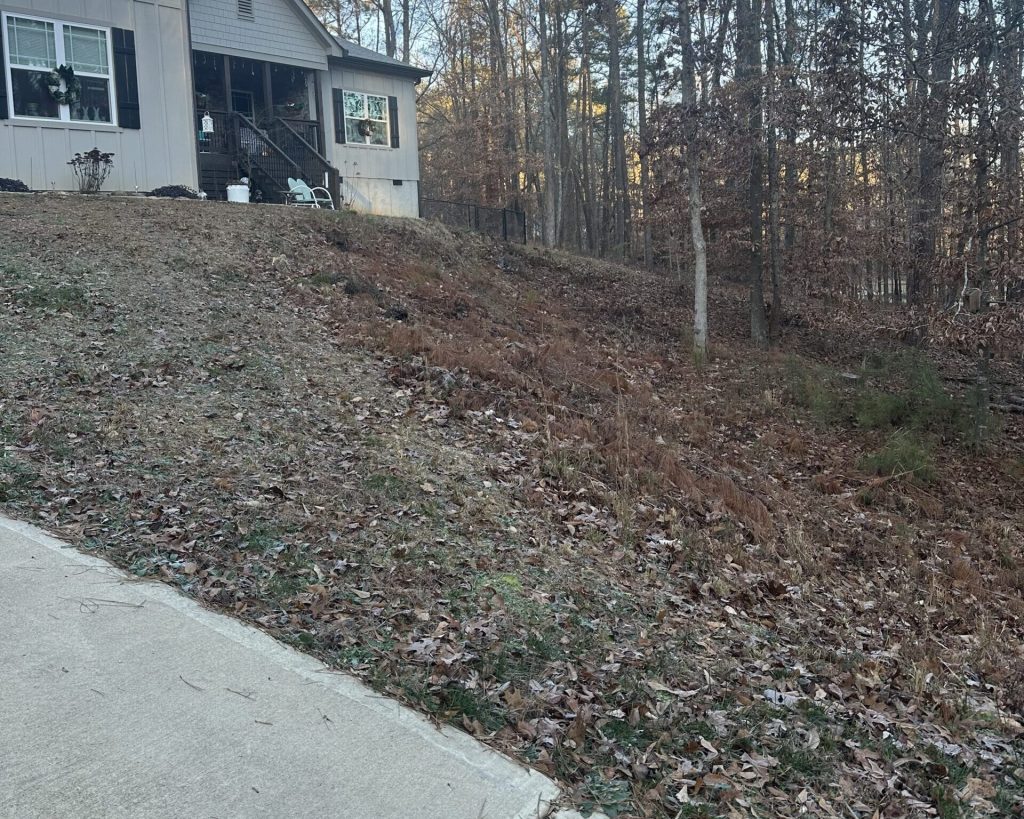
Homeowners near the Route 30 and Route 11 intersection, and along the I-81 corridor, see the same pattern year after year. Water pools against foundations. Basement walls take on pressure they were never built to handle. Lawns develop soft, soggy patches that kill grass and attract mosquitoes.
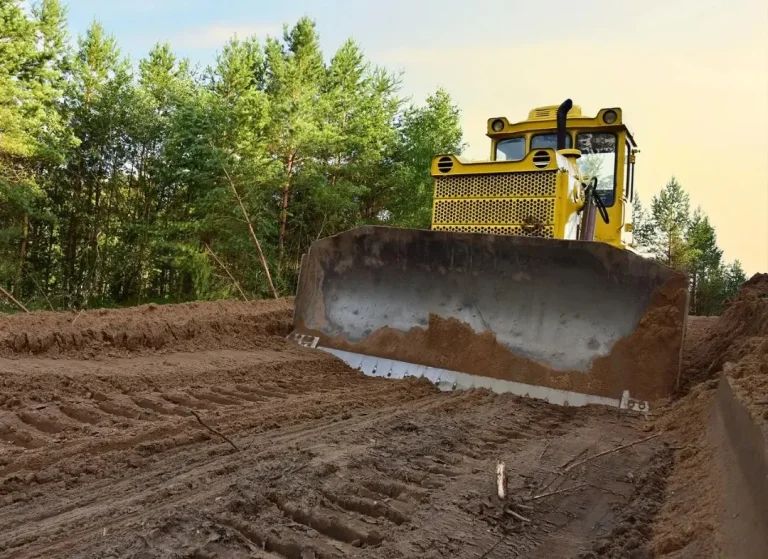
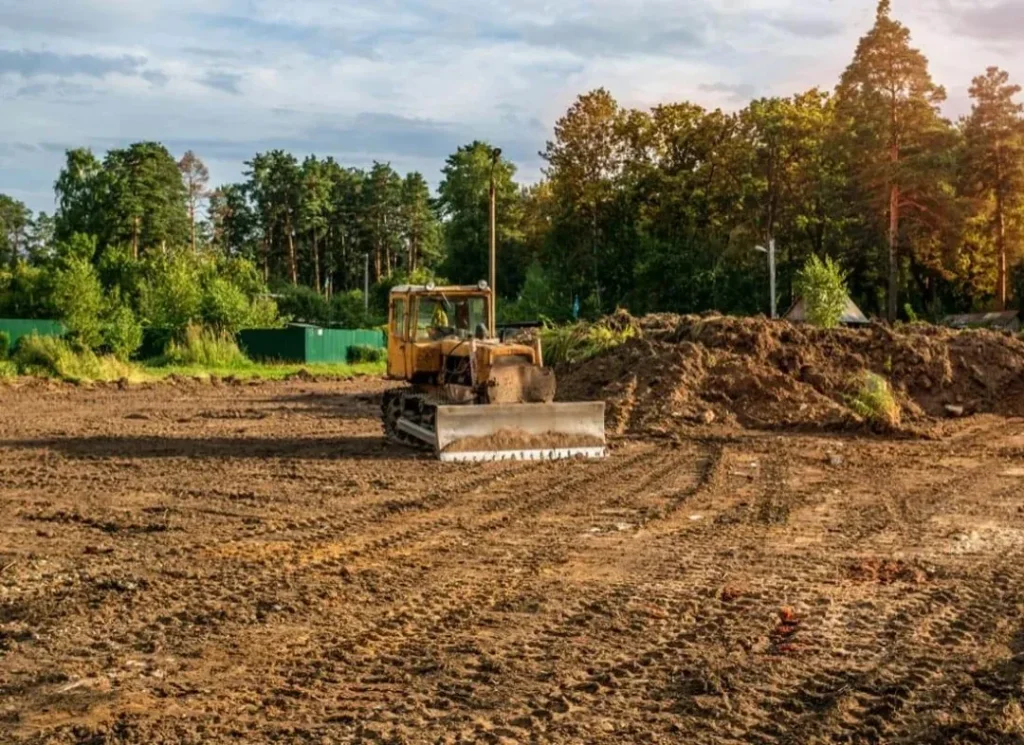
Final grading isn’t a cosmetic upgrade. It’s the barrier between your home and standing water. TCK Land Services builds positive slope into your property so water moves away from your foundation instead of sitting against it. Franklin County ground doesn’t forgive shortcuts. We don’t take them.
Customer Reviews for Grading Services in Chambersburg, PA
Mike Gonnering
Trustindex verifies that the original source of the review is Google.
We have worked with Beeman Excavating in the past. Their experience in multiple markets has shown through in the quality of their work. Recommend you give them a try!
Jose Garcia
Trustindex verifies that the original source of the review is Google.
Hannah Beeman
Trustindex verifies that the original source of the review is Google.
Beeman Excavating is a great family owned company. They are easy to work with, responsive and respectful. I highly recommend them!
Ready to Start Your Project? Let’s Talk.
Let’s get your project moving. Our skilled team is ready to handle every phase of your site work safely, efficiently, and on schedule. Call today or request a free quote to get started.
What Makes Our Final Grading Services in Chambersburg Different?
Good drainage isn’t guesswork. It’s math, done right, on every property we touch — whether you’re in Guilford Township, Fayetteville, Hamilton Township, or tucked near Conococheague Creek.
Step 1: Elevation Measuring: We start with laser-guided elevation readings across the entire lot. Properties along the U.S. 30 and I-81 corridor often have deceptive high and low points that aren’t visible to the eye. We map them all before touching a shovel.
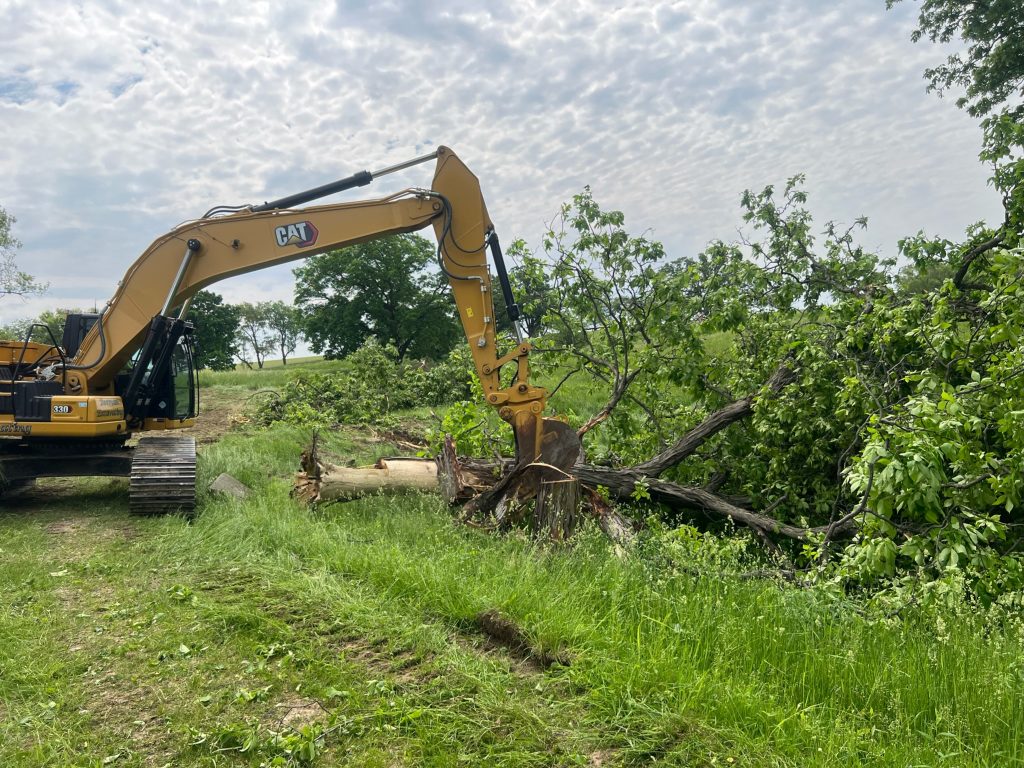
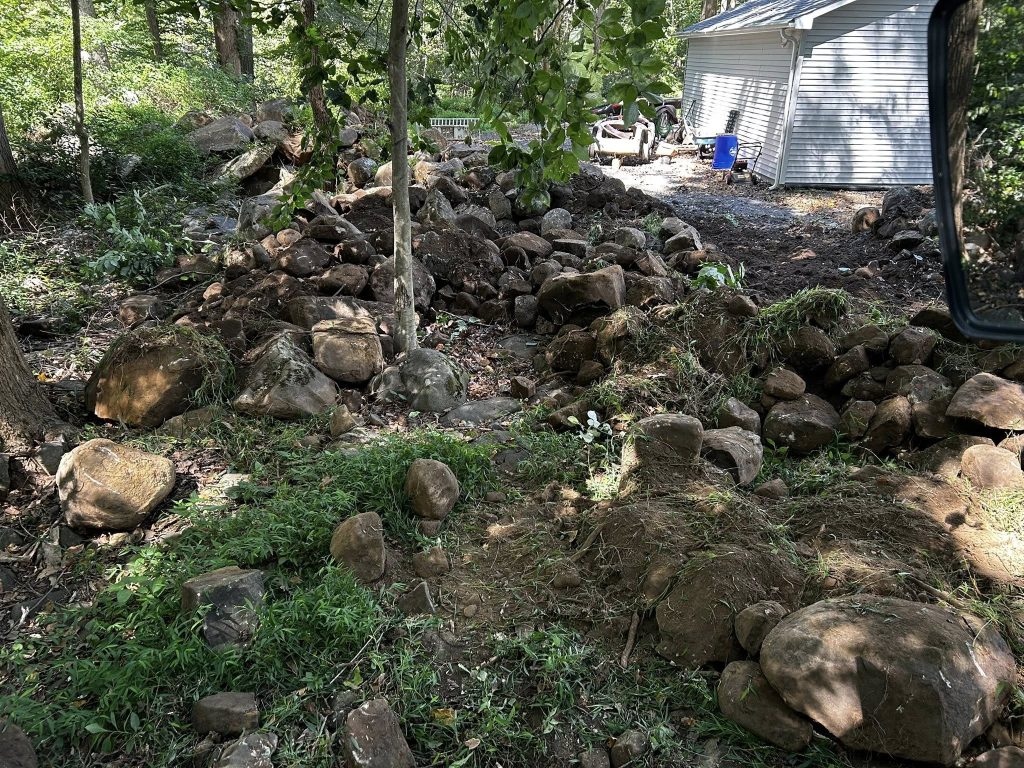
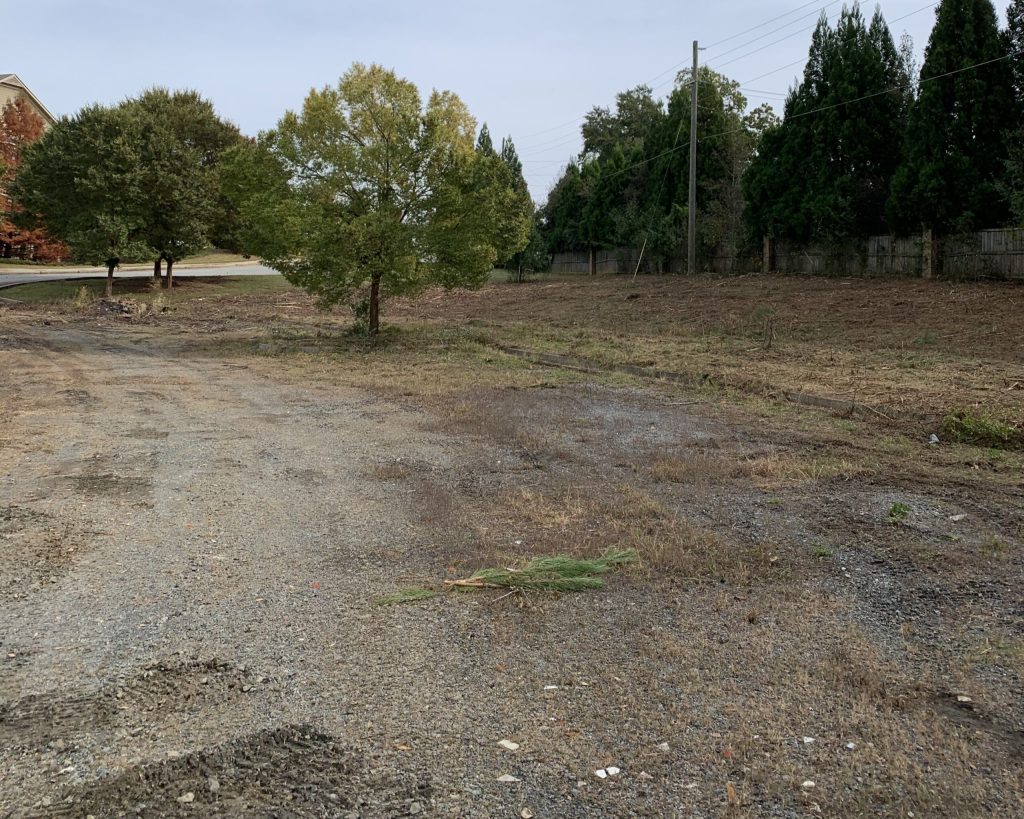
Step 2: Debris and Rough Clearing: We strip old sod, rock, and construction debris that block proper water flow. Rough grading gets the bones of the lot right before anything finer happens.
Step 3: Positive Slope Establishment: We cut and fill to a minimum 5% to 10% positive fall away from your foundation. This is non-negotiable on Chambersburg’s clay-heavy soil — anything less and water finds its way back to your basement walls.
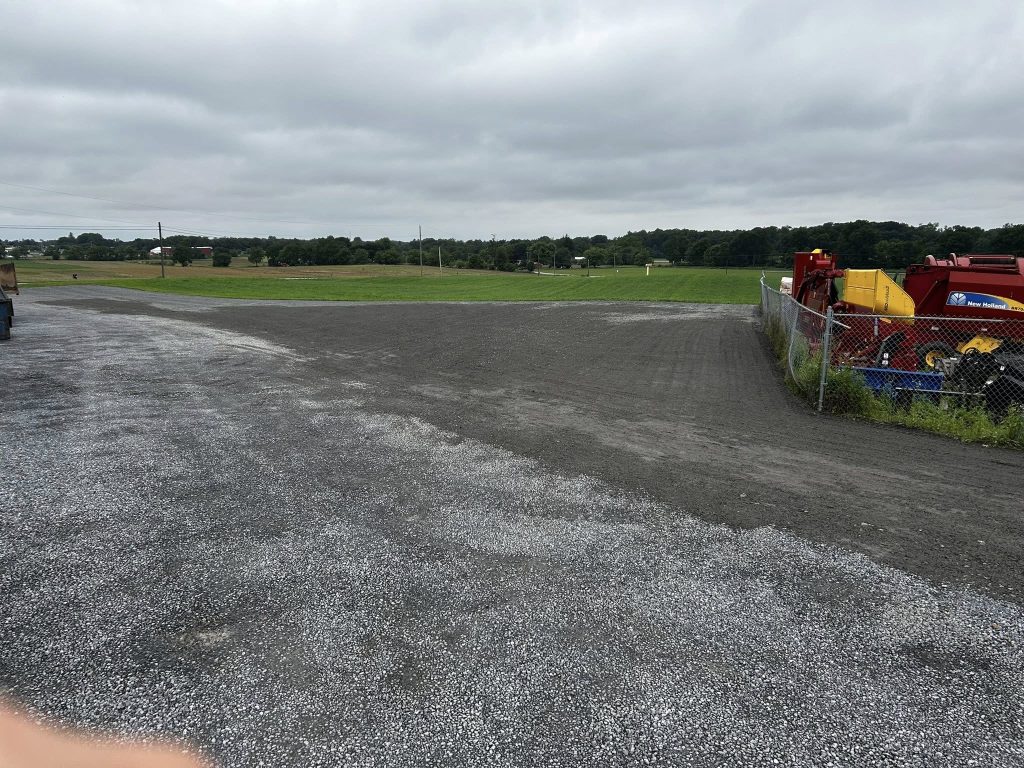
Step 4: Finished Topsoil Seedbed: We finish with a finely screened topsoil layer, leveled and compacted, ready for sod or seed. No lumps. No hidden low spots. No surprises next spring.
A homeowner near the U.S. Route 30 and Route 11 intersection called us after water pooled against their basement wall every spring. Rough grading from a prior contractor left a negative slope. We re-cut the yard to a 7% positive fall, laid fresh topsoil, and eliminated the pooling before the next rainy season hit.
A Guilford Township property near Conococheague Creek had chronic standing water after heavy summer storms. Clay soil and poor original grading trapped runoff in the backyard. Our team regraded the lot, established proper fall away from the home, and installed a screened topsoil bed ready for new sod.
Pennsylvania building code typically requires a minimum 6-inch drop over the first 10 feet from the foundation — roughly a 5% grade. We build to 5–10% for Chambersburg’s clay soil.
Yes. Final grading corrects the low spots and negative slopes that trap water in clay soil. Combined with proper topsoil, it stops pooling at the source instead of masking it.
Rough grading sets the basic land contour and clears debris. Final grading refines the slope precisely and lays a smooth topsoil seedbed — the surface sod and seed actually need to take root.
Yes. Limestone bedrock beneath Chambersburg soil can create uneven settling and drainage patterns. We factor local karst conditions into every elevation survey before grading begins.
Absolutely. Creek-adjacent lots see higher water tables and slower runoff. Precise grading directs water away from structures instead of letting it collect near the creek-side yard.