Why Choose Our Site Preparation Services in Newville, PA?
Breaking ground in Cumberland County isn’t like breaking ground anywhere else. Newville sits on a mix of dense agricultural clay and karst limestone bedrock, and that combination punishes shortcuts. Low-lying pastures hold water long after a storm passes. Ridges near the I-81 Exit 37 corridor hide limestone ledges that can stop a bucket cold or open the door to sub-surface erosion. Skip proper site preparation here and you’re not just risking a rough grade — you’re risking foundation cracking, shifted driveways, and a failed drainage inspection down the road.
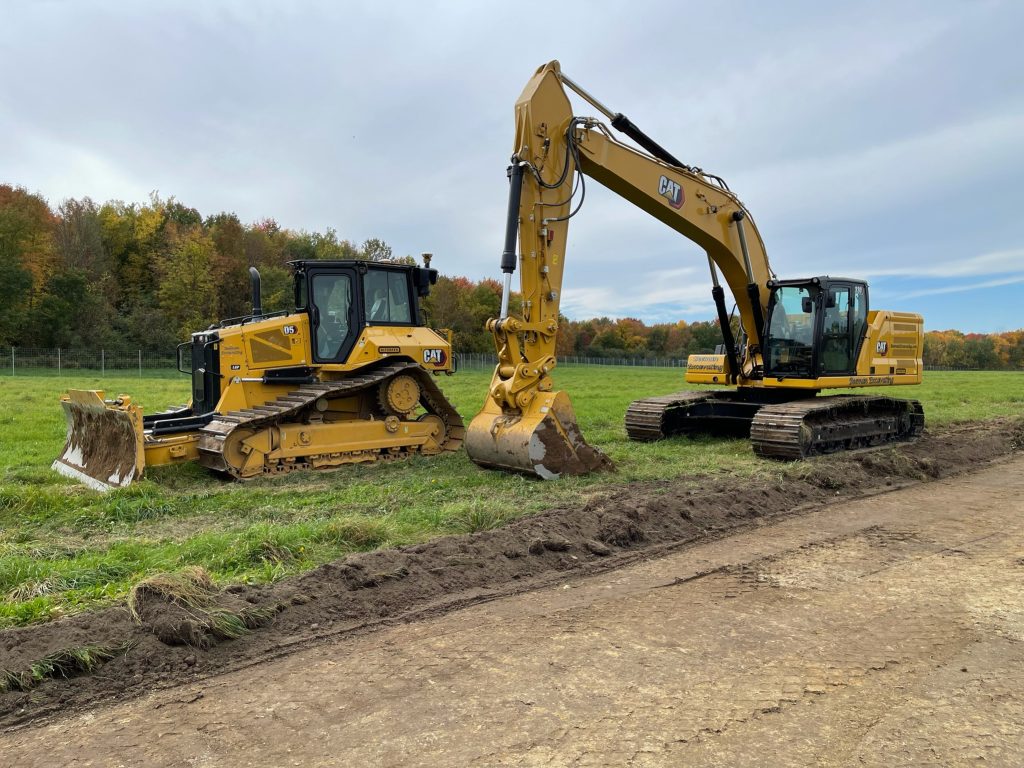
TCK Land Services has worked this ground long enough to know where it fights back. We handle land clearing and pad site compaction across Newville, PA, with a process built around this valley’s soil, not a generic playbook. Whether you’re prepping a homesite off Route 641 or a commercial lot near North Newton Township, we start by reading the ground first. That’s what keeps your build-ready pad build-ready.
Customer Experiences with Construction Site Preparation in Newville, PA
Mike Gonnering
Trustindex verifies that the original source of the review is Google.
We have worked with Beeman Excavating in the past. Their experience in multiple markets has shown through in the quality of their work. Recommend you give them a try!
Jose Garcia
Trustindex verifies that the original source of the review is Google.
Hannah Beeman
Trustindex verifies that the original source of the review is Google.
Beeman Excavating is a great family owned company. They are easy to work with, responsive and respectful. I highly recommend them!
Ready to Start Your Project? Let’s Talk.
Let’s get your project moving. Our skilled team is ready to handle every phase of your site work safely, efficiently, and on schedule. Call today or request a free quote to get started.
What Makes Our Construction Site Preparation in Newville, PA Stand Out
Every job runs through four stages, and every stage matters more here than in flatter, sandier ground.
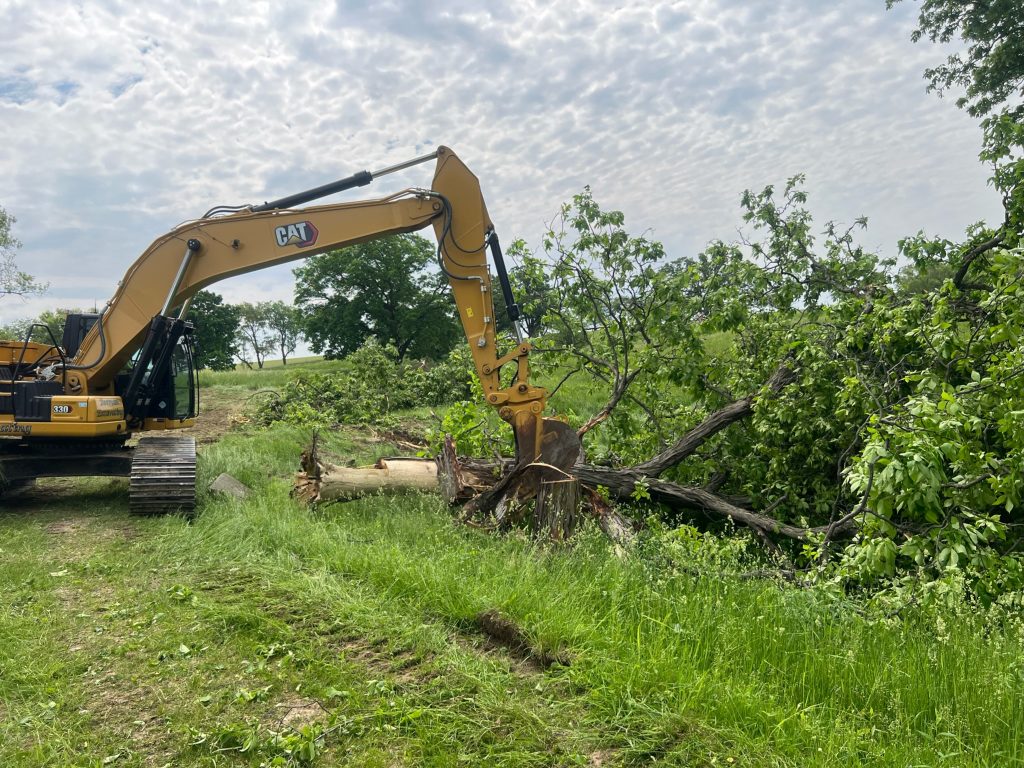
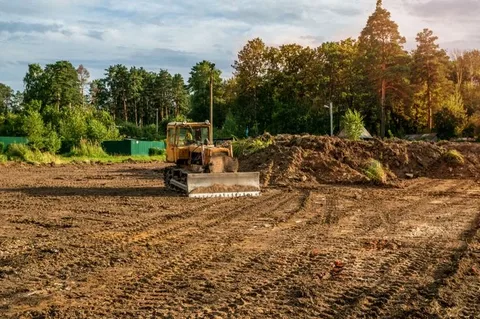
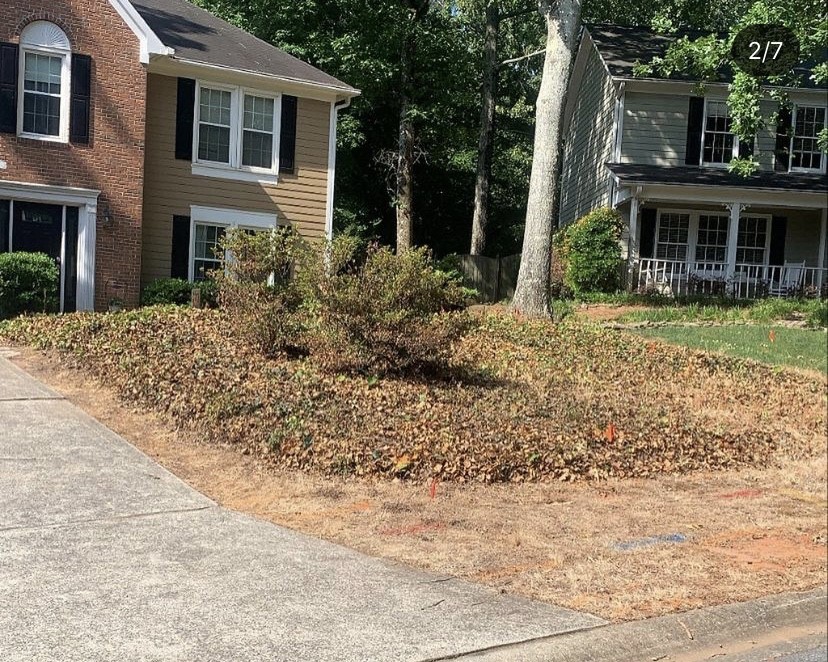
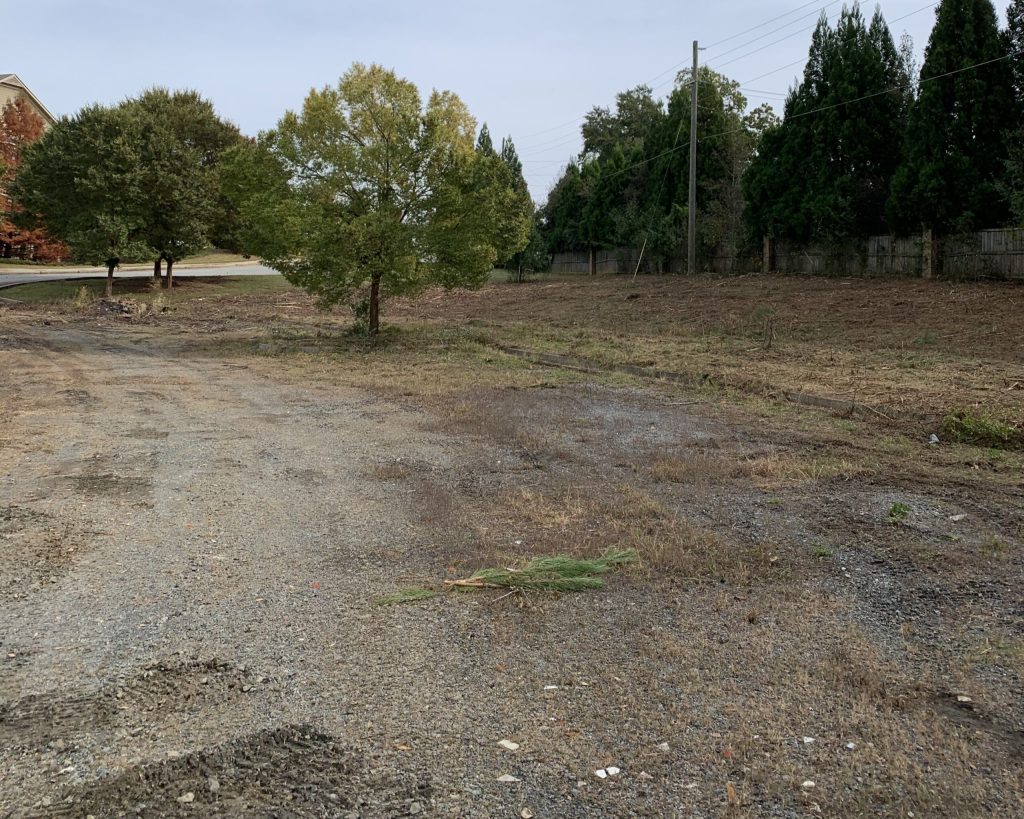
Stage 1: Clearing & Demolition: We strip trees, roots, brush, and topsoil down to workable subgrade. Big Spring-area acreage often carries decades of overgrowth and old fence lines — we clear it clean and haul the debris, so you’re not left staging a second cleanup.
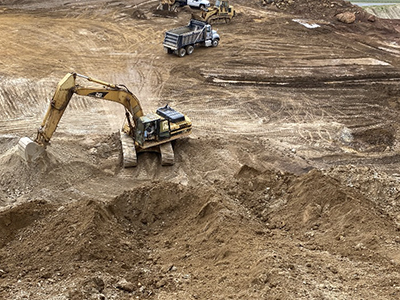
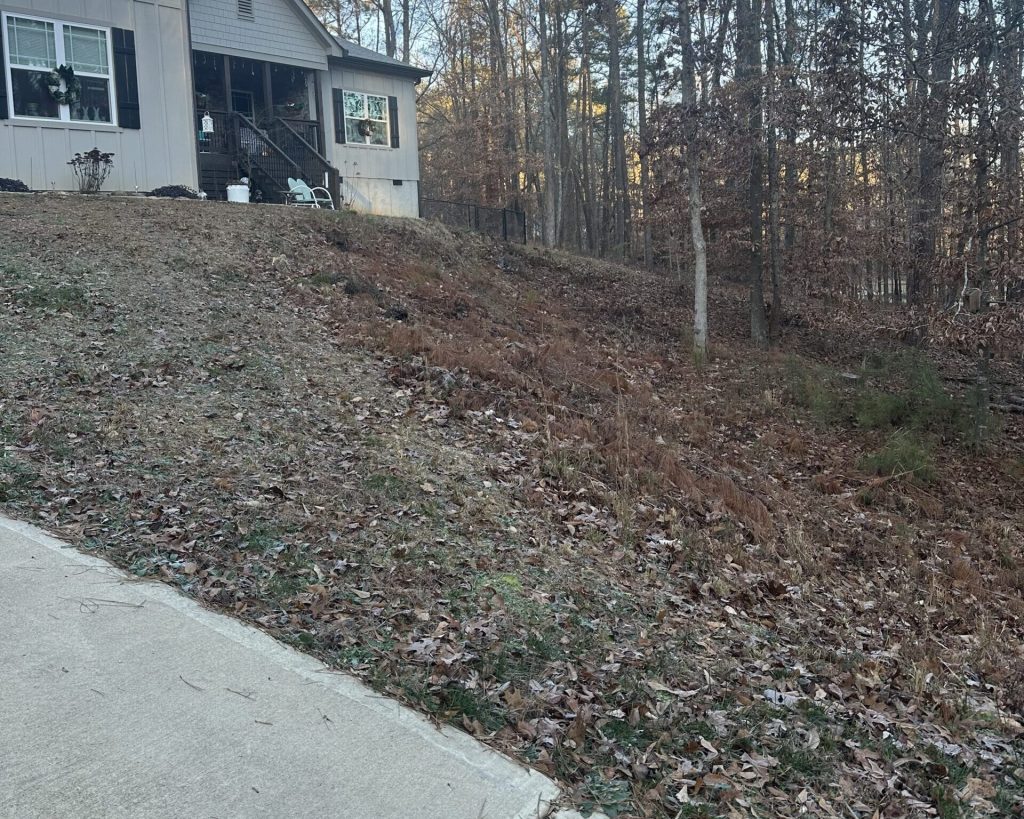
Stage 2: Rough Grading & Earthmoving: Cumberland Valley slopes rarely run flat. We use a cut-and-fill strategy to balance uneven topography instead of trucking in unnecessary fill, which keeps your budget and your grade honest.
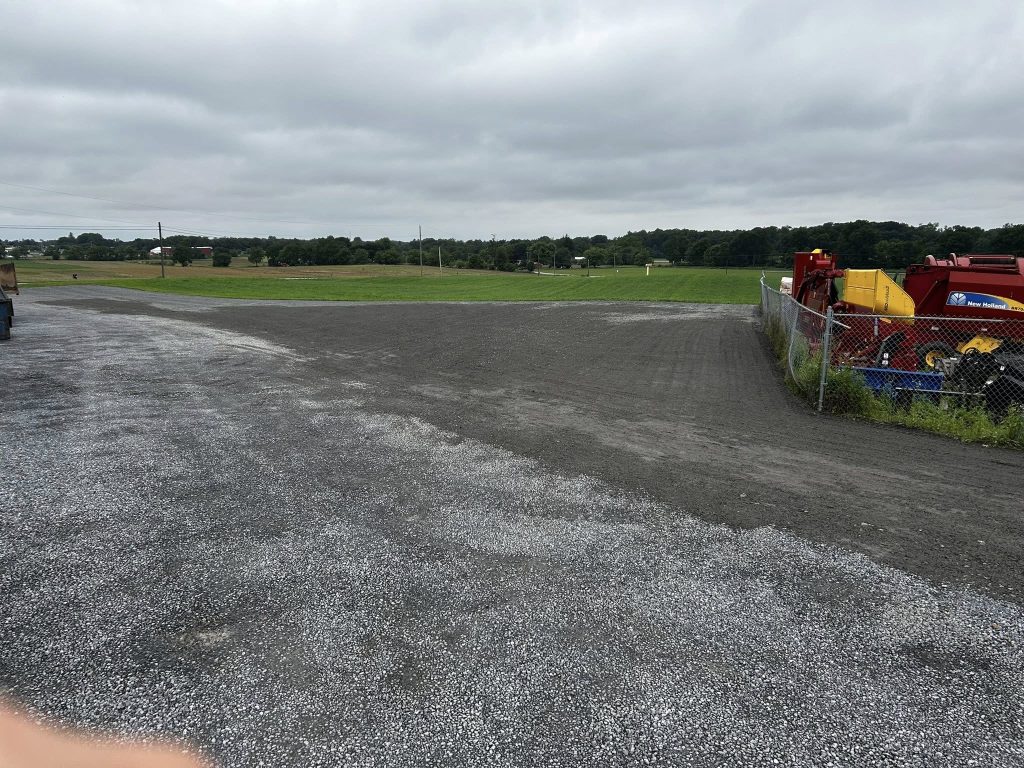
Stage 3: Subgrade Stabilization & Compaction: This is where Newville’s clay content gets addressed head-on. We machine-compact in lifts to eliminate soft spots and settling risk before any foundation pour or stone base goes down.
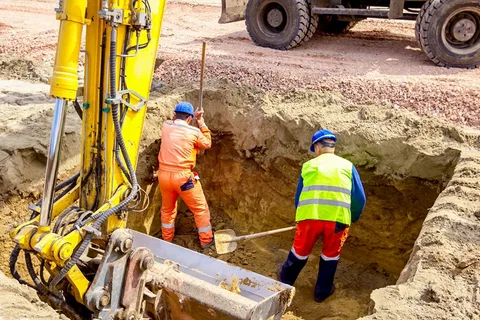
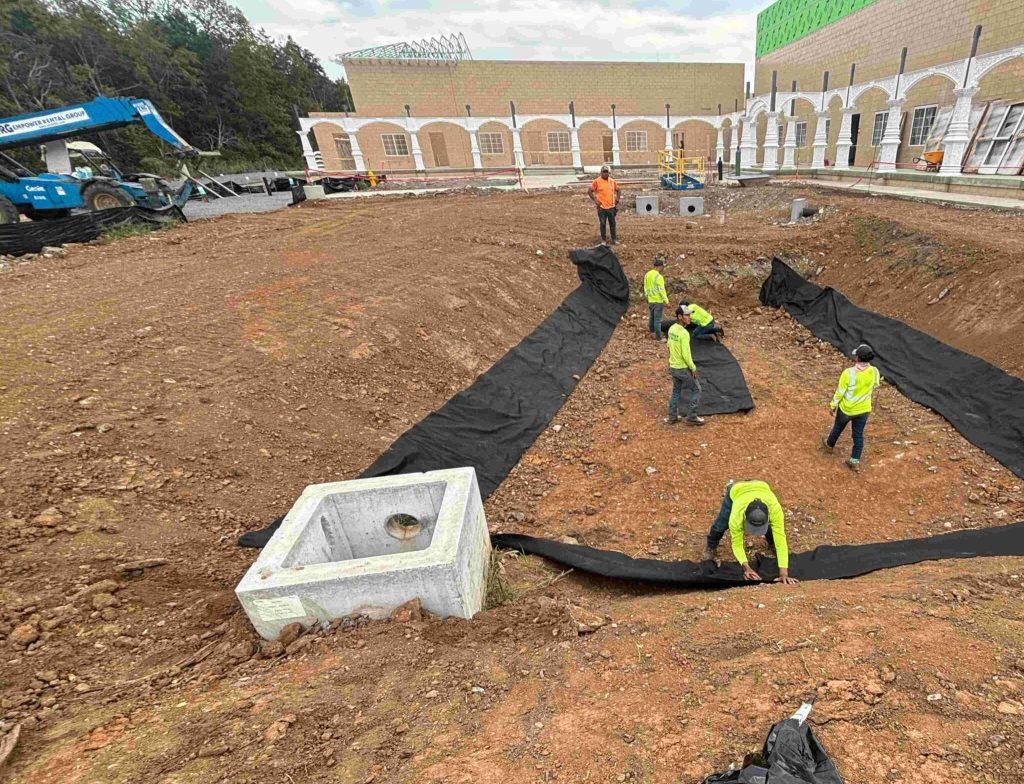
Stage 4: Drainage & Stormwater Management: We shape swales, trench for utilities, and set culverts and retention areas built for Central PA rain totals — not guesswork.
One process, one crew, one price. No surprises between stages.
A landowner off Route 641 needed a pole barn pad on ground with heavy clay retention and a seasonal high water table. TCK cleared two acres of brush, cut-and-filled to balance the slope, then compacted the subgrade in stages. Final grade included a perimeter swale that’s kept the pad dry through two full rainy seasons.
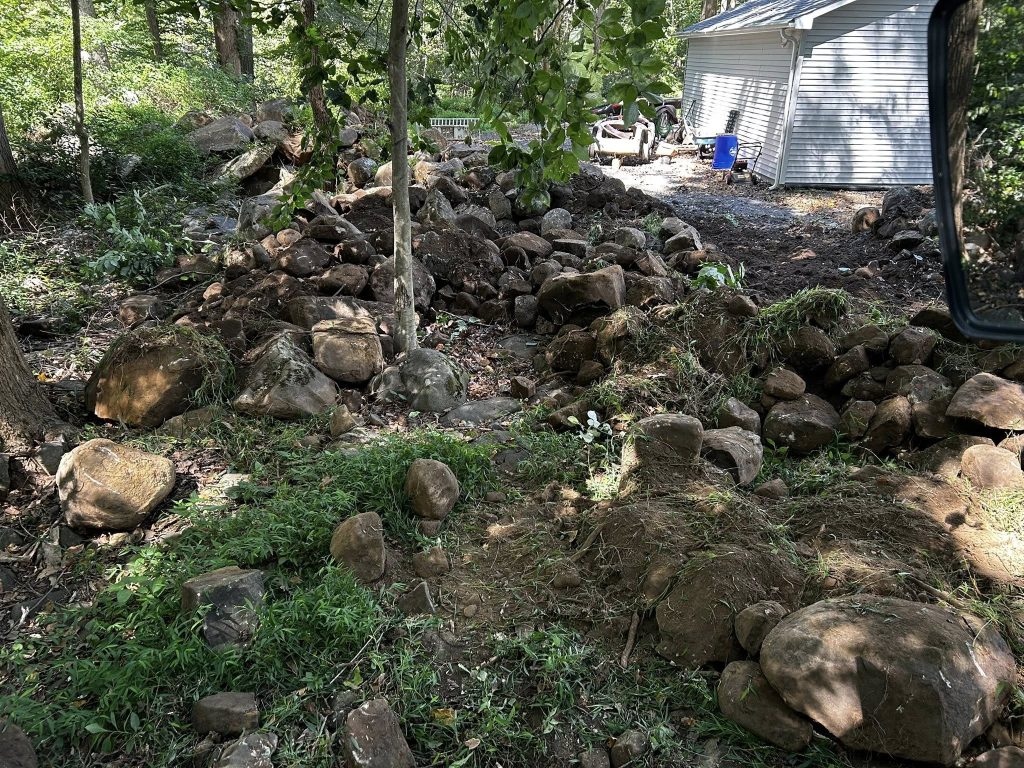
A contractor breaking ground near the Exit 37 corridor hit shallow limestone ledges during initial excavation. TCK re-scoped the cut plan around the rock, hauled debris off-site, and delivered a compacted, build-ready commercial pad with proper stormwater shaping — on schedule and within the original bid.
We test and read the subgrade first, then compact in controlled lifts to stabilize clay and route around limestone ledges instead of fighting them. No pour goes on unstable ground.
Most projects over an acre need an E&S plan and possible stormwater permit. We flag permit needs during your site visit and can point you to the right county office.
Yes. We build compacted stone and recycled asphalt bases sized for farm equipment and daily traffic, with drainage shaping so the base holds up through freeze-thaw cycles.